How to Get Rid of a Smelly Cooling Mattress Pad: Why It Smells, Cleaning Tips & Prevention
Introduction
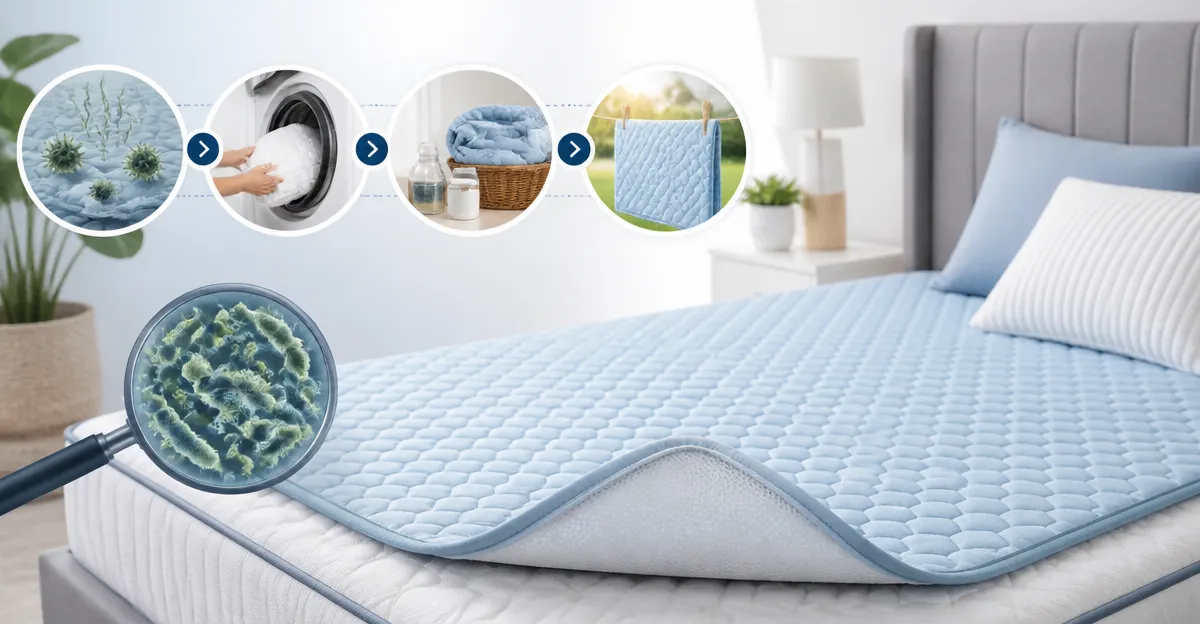
This guide explains the common causes of odor in a cooling mattress pad, provides a systematic cleaning process, and offers preventive measures to keep the pad fresh. Readers will learn how to identify urine, sweat, and mildew sources, select the right cleaning agents, and maintain the pad for long‑term comfort. The information is based on real customer experiences and product specifications, ensuring practical relevance for anyone seeking a hygienic sleep surface.
Understanding the source of the smell is essential because different contaminants require distinct treatment methods. For example, urine stains demand enzymatic breakdown, while sweat and body oils respond well to enzyme‑based detergents. By following the steps below, one can restore a cooling pad to its original freshness without damaging the cooling technology.
All recommended tools are available on Amazon and have been praised for effectiveness, safety, and value. The guide remains useful even if the reader chooses alternative household items, but the suggested products streamline the process and reduce guesswork.
What You’ll Need
- Utopia Bedding Queen Mattress Pad – optional replacement or protective layer ($20.99, 4.6★)
- CloroxPro Urine Remover Spray – hydrogen peroxide formula for urine stains ($6.99, 4.5★)
- Rocco & Roxie Enzyme Odor Eliminator Spray – bio‑enzymatic cleaner for stubborn odors ($27.97, 4.4★)
- GEODE Mattress Cleaner & Deodorizer – lavender‑scented enzyme spray for overall freshness ($25.98, 4.4★)
- Elegear Cooling Queen Mattress Pad – the pad you are cleaning, featuring Arc‑Chill 3.0 cooling fabric ($57.99, 4.3★)
- Clean white towels, a spray bottle, a soft brush, and a well‑ventilated area.
Step‑by‑Step Instructions
1. Identify the Source of the Odor
Before any cleaning, locate the area that emits the strongest smell. Common culprits include urine accidents from pets, sweat accumulation, and mold growth in humid environments. Perform a visual inspection for dark stains, damp spots, or discoloration. If the pad has a removable cover, detach it and smell each side separately to isolate the problem.
Understanding the source determines which cleaner will be most effective. Urine requires enzymatic breakdown, while general body‑oil buildup can be addressed with a broad‑spectrum enzyme spray. This diagnostic step prevents unnecessary product use and protects the cooling fibers.
2. Pre‑Treat Stubborn Stains with a Targeted Urine Remover
If urine is present, spray CloroxPro Urine Remover Spray directly onto the affected area. The hydrogen peroxide base breaks down uric acid crystals and eliminates odor at the molecular level, rather than merely masking it. Apply enough product to saturate the fabric, then allow it to sit for five to ten minutes.
The product’s rating of 4.5 stars from over 1,300 reviewers confirms its reliability for pet‑related accidents. Its versatility on both hard and soft surfaces makes it safe for the cooling pad’s synthetic fibers. After the dwell time, blot the area with a clean towel to remove excess liquid.
3. Apply a Broad‑Spectrum Enzyme Cleaner for Residual Odors
For lingering smells that persist after urine treatment, use Rocco & Roxie Enzyme Odor Eliminator Spray. This bio‑enzymatic formula contains mineral‑based neutralizers that feed on ammonia crystals and organic residues, ensuring deep‑down odor removal. Spray the entire pad surface lightly, focusing on seams and corners where moisture may hide.
Customers praise its ability to eradicate cat spray and dog urine without harsh chemicals, a crucial consideration for a cooling pad that contacts skin nightly. The 4.4‑star rating reflects its safety around pets and children, aligning with the need for a hypoallergenic cleaning solution.
4. Refresh the Entire Mattress Pad with a Lavender‑Infused Deodorizer
After enzymatic cleaning, mist the pad with GEODE Mattress Cleaner & Deodorizer. The lavender scent provides a pleasant finish while the enzyme blend continues to break down any remaining body‑oil particles. Hold the spray bottle about six inches from the fabric and apply an even mist.
GEODE’s non‑toxic formulation is safe for children and pets, a vital attribute for household items that remain on the sleeping surface. Its 4.4‑star rating indicates consistent performance across different mattress types, including memory foam and protective covers.
5. Allow Complete Drying and Air Circulation
Place the pad in a well‑ventilated room or near a fan for at least four hours. Adequate drying prevents mold growth, which can reintroduce odors. If possible, expose the pad to indirect sunlight; UV rays help neutralize any residual bacteria without degrading the cooling fibers.
Do not use a dryer, as high heat can compromise the Arc‑Chill 3.0 technology that provides the cooling effect. Instead, rely on air flow and gentle blotting with dry towels to accelerate moisture removal.
6. Re‑Wrap the Pad with a Protective Mattress Cover (Optional)
For added protection against future spills, consider adding a washable cover such as the Utopia Bedding Queen Mattress Pad. Although not waterproof, this quilted pad offers a breathable barrier and extra softness, reducing direct contact between sweat and the cooling layer.
The product’s machine‑washable design simplifies maintenance; it can be laundered alongside the cooling pad’s removable cover. At $20.99 and a 4.6‑star rating, it delivers high value for households seeking a dual‑layer solution.
Tips & Pro Tips
- Test any cleaner on a hidden area first to ensure colorfastness.
- For pet owners, keep a small spray bottle of CloroxPro Urine Remover near the bedroom for immediate spot treatment.
- Use a soft brush to gently work cleaner into the pad’s weave without damaging the cooling fibers.
- Rotate the pad every few months to distribute wear evenly and prevent localized sweat buildup.
- Maintain bedroom humidity below 60% to discourage mold formation on the pad.
Troubleshooting
Persistent Musty Smell: This may indicate mold. Apply a diluted solution of white vinegar (1:1) and let it sit for ten minutes, then follow with a full rinse using the enzyme cleaners.
Stains Not Lifting: Repeat the enzymatic spray cycle, allowing a longer dwell time (up to 20 minutes) before blotting. Some deep‑set stains require two applications.
Cooling Effect Diminished: Ensure the pad is completely dry before use. Moisture can interfere with the Arc‑Chill 3.0 fabric’s heat‑transfer properties.
Conclusion
By identifying odor sources, applying targeted enzymatic cleaners, and allowing thorough drying, one can restore a cooling mattress pad to a fresh, odor‑free state. Regular maintenance with a breathable protective layer and humidity control will prevent future smells, preserving the pad’s cooling performance for years.
Implementing the steps outlined in this guide equips readers with a reliable, science‑backed method for tackling even the toughest mattress pad odors. The recommended products provide proven efficacy, safety, and convenience, ensuring a comfortable and hygienic sleep environment.
Products Mentioned in This Guide
Frequently Asked Questions
Why does my cooling mattress pad develop a bad smell?
Odors come from urine, sweat, body oils or mildew that soak into the pad’s fabric and foam, especially if not cleaned promptly.
What is the best way to eliminate urine odor from a cooling mattress pad?
Apply an enzymatic cleaner to break down urine proteins, let it sit, then launder according to the manufacturer’s instructions.
Which cleaning agents are safe for the pad’s cooling technology?
Use mild, enzyme‑based detergents or a solution of cold water and gentle soap; avoid bleach, fabric softeners, and hot water.
How frequently should I clean my cooling mattress pad to keep it fresh?
Wash the pad every 1–2 months, or sooner if you notice stains or odors, and air‑dry it completely before reuse.
What steps can prevent mildew and sweat buildup on a cooling pad?
Keep the pad dry by airing it out after use, use a breathable mattress protector, and store it in a well‑ventilated area.