Introduction
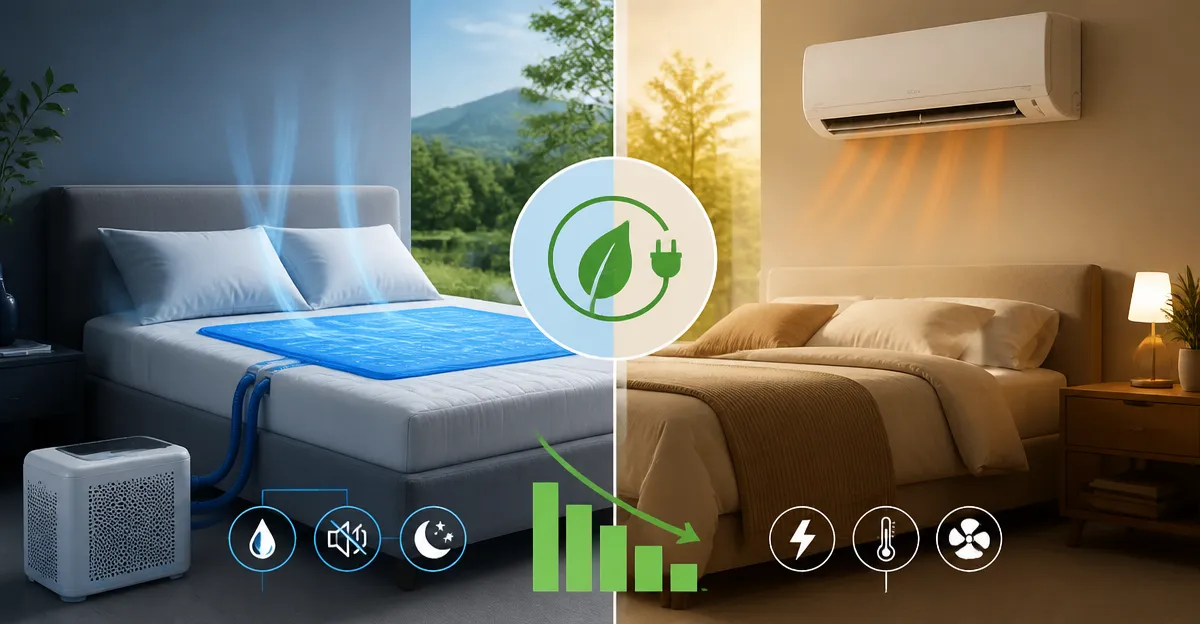
This guide examines the relationship between bed cooling systems and conventional air conditioning, focusing on how each technology influences household energy consumption. Readers will learn the underlying mechanisms of both approaches, evaluate cost‑effectiveness, and discover practical strategies for reducing utility bills while maintaining sleep comfort. The article also presents vetted product recommendations that align with energy‑saving goals. By the end of this guide, one will possess a clear framework for selecting the most appropriate cooling solution for personal circumstances.
Background and Context
Traditional air conditioning cools an entire room by extracting heat and expelling it outdoors, a process that typically consumes significant electricity measured in kilowatt‑hours. In contrast, bed cooling systems target the micro‑environment of the sleeper, using technologies such as chilled water circulation, directed airflow, or phase‑change fabrics to lower perceived temperature at the skin level. Because the cooling load is limited to a small surface area, the energy demand of a bed‑centric solution is generally a fraction of that required by a whole‑room unit. Understanding these distinctions is essential for making informed decisions about comfort and sustainability.
Energy consumption is influenced by factors including climate zone, bedroom insulation, mattress type, and individual thermoregulation. Hot sleepers, for example, benefit more from localized cooling than from modest reductions in ambient temperature. Moreover, many modern cooling products incorporate smart controls, timers, and low‑power motors that further reduce electricity use. The following sections explore the principal categories of bed cooling technology and illustrate how they compare with conventional air conditioning.
Categories of Bed Cooling Systems
Water‑Based Circulating Systems
Water‑based systems circulate chilled or heated water through a network of silicone tubes embedded in a mattress pad or topper. The temperature of the water can be precisely regulated, allowing users to set a specific sleep surface temperature. Because water has a high thermal capacity, these systems can maintain a stable cooling effect with relatively low power input.
Adamson Bed Cooling System Twin exemplifies this approach. It drops mattress temperature by 7‑12°F, operates with a wire‑free silicone tube network, and is constructed from 100% cotton for added breathability. The unit is priced at $224.95, carries a 3.9‑star rating from 685 reviews, and includes a 5‑year assurance with 24/7 support. Key features include four fan speeds, quiet operation, and dual‑orientation flexibility for twin or single configurations.
Directed Airflow Devices
Directed airflow devices generate a gentle breeze that penetrates the bedding layers, removing heat and moisture trapped beneath sheets. These products often use brushless DC (BLDC) motors that operate at low decibel levels, making them suitable for light sleepers. Battery‑powered models provide cordless freedom, eliminating the need for permanent outlet proximity.
boatsea Cordless Bed Fan delivers airflow directly under the covers, featuring five speed settings, a 10,000 mAh battery that lasts up to 22 hours on low speed, and a telescoping stand that fits mattresses from 1.6 to 17.7 inches thick. Priced at $89.99, the fan operates below 30 dB on low speed and includes a remote control for convenient adjustments.
Hybrid Water‑Air Systems
Hybrid systems combine water circulation with forced air to enhance heat transfer. The water loop regulates the temperature of a surface pad, while a small fan distributes conditioned air across the sleeping area. This dual mechanism can provide both cooling and heating, offering year‑round versatility.
Sleepme Chilipad Cube integrates a water‑filled Cube that circulates fluid through a silicone‑tube mattress topper. The temperature range spans 60‑115 °F, allowing users to cool or warm the bed as needed. The system is priced at $699.00, holds a 4‑star rating from 961 reviews, and includes a machine‑washable topper. Although the unit consumes approximately 150 W in cooling mode, its targeted effect reduces the need for full‑room air conditioning.
Thermo‑Reactive Fabrics
Thermo‑reactive fabrics employ phase‑change materials or engineered yarns that absorb body heat and release it slowly, creating a cooling sensation without active energy consumption. While these blankets do not provide precise temperature control, they are low‑maintenance, lightweight, and inexpensive.
Ailemei Cooling Throw Blanket uses a double‑sided construction of cooling nylon and polyester to lower skin temperature by approximately 2 °C. The blanket is priced at $16.99, carries a 4.4‑star rating from 8,595 reviews, and is machine‑washable. Its lightweight design makes it an ideal supplement to other cooling solutions.
Integrated Air‑Flow Sheet Systems
Integrated sheet systems combine a dedicated airflow channel within a specially designed sheet with a bedside fan unit. The air is directed through internal chambers, providing uniform temperature distribution across the sleeping surface. These systems often include heating modes, allowing users to replace electric blankets.
BedJet Cooling & Heating Bed Fan pairs a powerful ventilation fan with a proprietary Cloud Sheet that diffuses air through dual‑layer chambers. The unit offers both cooling and heating, operates on 100 % cotton sheets, and includes a wireless LCD remote and Bluetooth app. Priced at $749.00, it holds a 4.1‑star rating from 46 reviews and is compatible with adjustable beds.
Comparison and Selection Guide
Choosing the optimal cooling solution requires evaluating several criteria: energy consumption, installation complexity, maintenance requirements, and personal comfort preferences. The table below summarizes key attributes of each product category.
| Category | Typical Power Use (W) | Installation | Maintenance | Best For |
|---|---|---|---|---|
| Water‑Based Circulating (Adamson) | ~30‑40 | Pad placement + water fill | Periodic water refill, occasional cleaning | Hot sleepers seeking precise temperature control |
| Directed Airflow (boatsea) | ~5‑10 (battery) | Tool‑free telescoping stand | Battery recharge every few days | Travelers, dorm residents, light‑weight setups |
| Hybrid Water‑Air (Sleepme) | ~150 (cool) / ~200 (heat) | Cube under bed + pad attachment | Water reservoir cleaning, occasional leak checks | Users wanting both cooling and heating |
| Thermo‑Reactive Fabric (Ailemei) | 0 (passive) | Simply drape over bed | Machine wash | Budget‑conscious sleepers needing modest relief |
| Integrated Sheet (BedJet) | ~120‑200 | Attach hose to sheet, place fan beside bed | Filter cleaning, occasional hose inspection | Those desiring full‑bed coverage with heating option |
Energy‑saving potential is highest for passive fabrics and low‑power airflow fans, followed by water‑based systems that consume modest power relative to whole‑room AC units. Hybrid and integrated sheet systems provide greater versatility but at a higher electricity cost. Users should match the product to their climate, bedroom size, and willingness to perform routine maintenance.
Best Practices and Tips for Maximizing Energy Savings
- Set cooling devices to the lowest effective fan speed or water temperature; many users find that a modest 2‑3°F reduction is sufficient for comfort.
- Combine a targeted cooling system with a ceiling fan or portable AC set to a higher thermostat setting; this reduces overall compressor runtime.
- Maintain optimal humidity (40‑60%) using a dehumidifier; lower humidity enhances the perceived cooling effect of airflow and water‑based pads.
- Schedule water refills for circulating systems during off‑peak electricity hours to minimize cost impact.
- Regularly clean filters, reservoirs, and tubing to preserve efficiency and prevent mineral buildup that can reduce heat exchange performance.
Frequently Asked Questions
1. Do bed cooling systems replace the need for air conditioning?
They can substantially reduce reliance on whole‑room AC for hot sleepers, but in extreme climates a supplemental AC unit may still be required to maintain safe indoor temperatures.
2. How much electricity does a typical water‑based cooling pad use?
Most models, including the Adamson Bed Cooling System Twin, operate between 30 and 40 watts, equivalent to roughly $0.03 per night at a $0.15/kWh rate.
3. Is it safe to use a cooling pad with an adjustable bed?
Yes; the Adamson system and the BedJet are explicitly designed to function on inclined surfaces, provided the base unit remains level and elevated.
4. Can I use a cooling blanket together with a water‑based pad?
Combining a passive blanket such as the Ailemei Cooling Throw Blanket with a circulating pad can enhance comfort while keeping overall power draw low.
5. How often should I clean a water‑circulating system?
Manufacturers typically recommend cleaning the reservoir and flushing the tubing every two weeks, especially in hard‑water regions, to prevent mineral buildup.
6. What is the expected lifespan of these devices?
Warranty periods range from one year (boatsea) to five years (Adamson). With proper maintenance, most units last between five and ten years.
Conclusion
This guide has clarified how bed‑focused cooling technologies differ from conventional air conditioning in terms of energy consumption, installation complexity, and user experience. By assessing personal sleep patterns, climate conditions, and willingness to perform routine maintenance, readers can select a solution that delivers comfort while reducing electricity costs. Whether opting for a precise water‑based system, a cordless airflow fan, or a passive cooling blanket, the key is to match the technology to the specific needs of the sleeper.
Products Featured in This Guide
Adamson Bed Cooling System Twin
Price: $224.95 | Rating: 3.9/5 (685 reviews)
Featured for its precise water‑circulation technology, cotton construction, and 5‑year assurance, making it a strong candidate for hot sleepers seeking targeted temperature control.
boatsea Cordless Bed Fan
Price: $89.99 | Availability: Only 1 left in stock
Featured for its battery‑powered, whisper‑quiet airflow that fits under any mattress, providing an energy‑efficient solution for travelers and dorm residents.
Sleepme Chilipad Cube
Price: $699.00 | Rating: 4/5 (961 reviews)
Featured for its dual cooling and heating capability, wide temperature range, and machine‑washable topper, suitable for users who desire year‑round climate control.
Ailemei Cooling Throw Blanket
Price: $16.99 | Rating: 4.4/5 (8,595 reviews)
Featured for its passive cooling technology, affordability, and ease of care, making it an accessible supplement to more advanced systems.
BedJet Cooling & Heating Bed Fan
Price: $749.00 | Rating: 4.1/5 (46 reviews)
Featured for its integrated airflow sheet system that provides both cooling and heating, catering to users who require full‑bed temperature management.